Wind Damage in Colorado & Wyoming: The Most Common Causes, Risks, and What Property Owners Should Know

High winds are one of the most frequent — and underestimated — causes of property damage across Colorado and Wyoming. Along the Front Range and into Southeast Wyoming, strong wind events occur year-round and often cause damage that isn’t immediately visible.
From residential roofs to large commercial buildings, wind damage can quietly compromise exterior systems and lead to costly repairs if left unaddressed. Understanding how wind affects properties — and when to take action — is key to protecting your investment.
Why Wind Damage Is So Common in Colorado & Wyoming
The geography of the Rocky Mountain Front Range creates ideal conditions for high winds. As weather systems move east over the mountains and into the plains, wind speeds often increase dramatically.
Common wind-related conditions in this region include:
Sustained high winds over long periods
Sudden gusts during seasonal weather shifts
Winter wind events paired with snow and ice
Chinook winds and pressure-driven systems
These conditions make wind damage to roofs and exteriors one of the leading causes of property damage in Northern Colorado and Southeast Wyoming.
The Most Common Types of Wind-Related Property Damage
Wind damage doesn’t always look dramatic. In many cases, the most serious issues begin small and worsen over time.
Wind Damage to Roofs

Roofs are the most exposed part of any structure and often take the brunt of high winds. Common issues include:
Lifted or creased shingles
Broken adhesive seals
Missing ridge caps
Exposed underlayment
Even when shingles appear intact, wind can weaken roofing materials and shorten their lifespan.
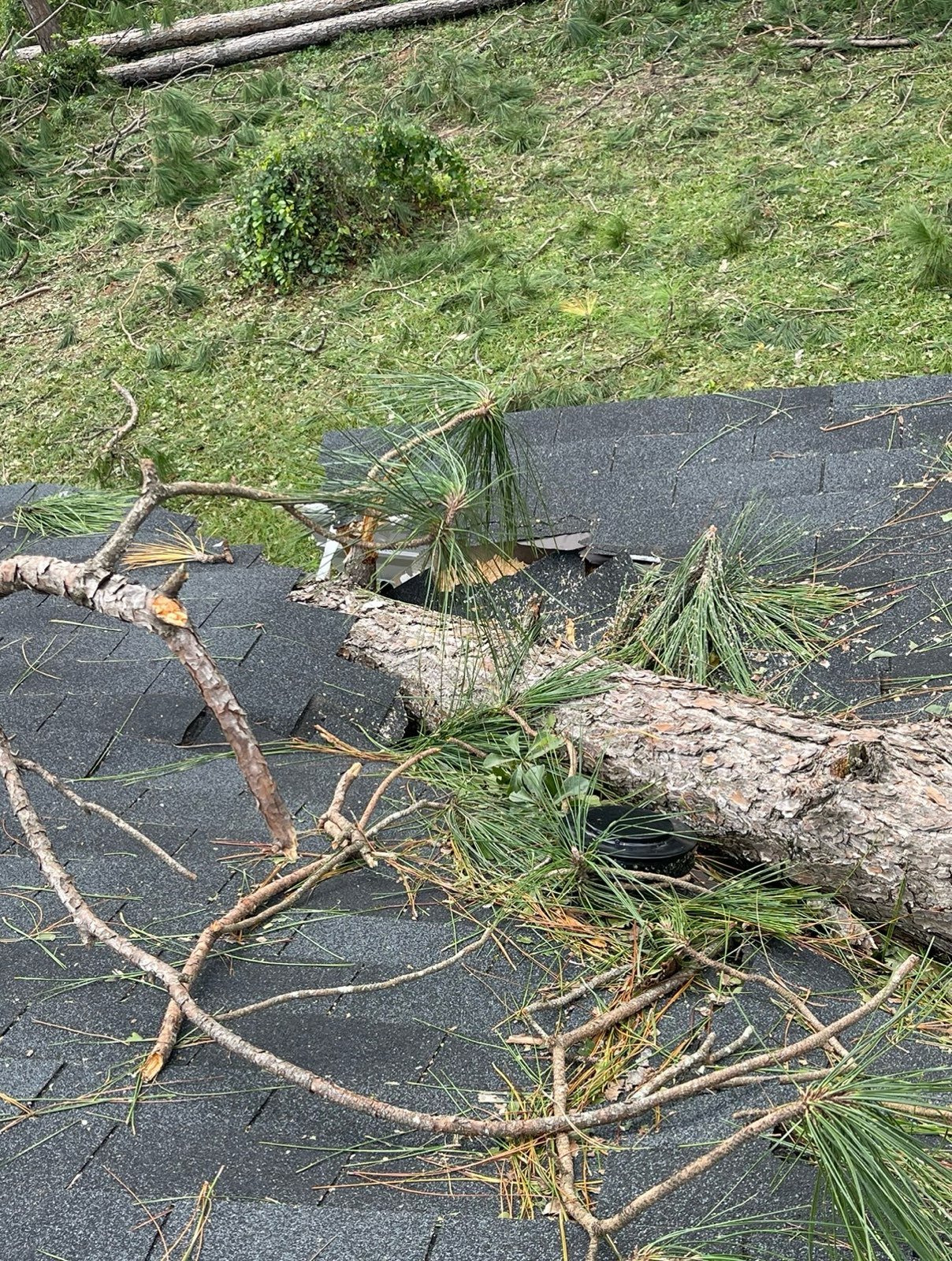
Flashing, Vents, and Roof Penetrations
Wind often targets vulnerable areas such as:
Chimney flashing
Roof vents and exhaust pipes
Skylight transitions
Loose or separated flashing allows water and cold air to enter the structure, especially during winter.
Gutters and Drainage Systems
High winds can pull gutters away from the home or disrupt proper drainage. This increases the risk of:
Ice dams
Water backup along roof edges
Foundation issues caused by poor runoff
Siding and Exterior Components
Wind can loosen siding panels, trim, and exterior finishes. These openings may allow moisture and cold air infiltration, leading to interior damage over time.
Why Wind Damage Is Often Missed
One of the biggest challenges with wind damage is that it’s not always visible from the ground. Many homeowners don’t realize their roof has been compromised until leaks, drafts, or interior damage appear.
Signs that wind damage may be present include:
Granules collecting in gutters
Roof Debris strewn across property
Drafts or uneven indoor temperatures
Ceiling stains or moisture marks
Increased energy bills
Professional inspections help identify hidden damage early.
How Wind Damage Can Get Worse in Winter
Wind damage becomes especially problematic during winter months. Once roofing materials or flashing are compromised, winter conditions accelerate deterioration.
Winter wind damage can lead to:
Cold air intrusion and heat loss
Snow and moisture entering weakened areas
Freeze–thaw expansion that worsens cracks
Ice dam formation along roof edges
This is why inspections during winter are just as important as post-storm evaluations.
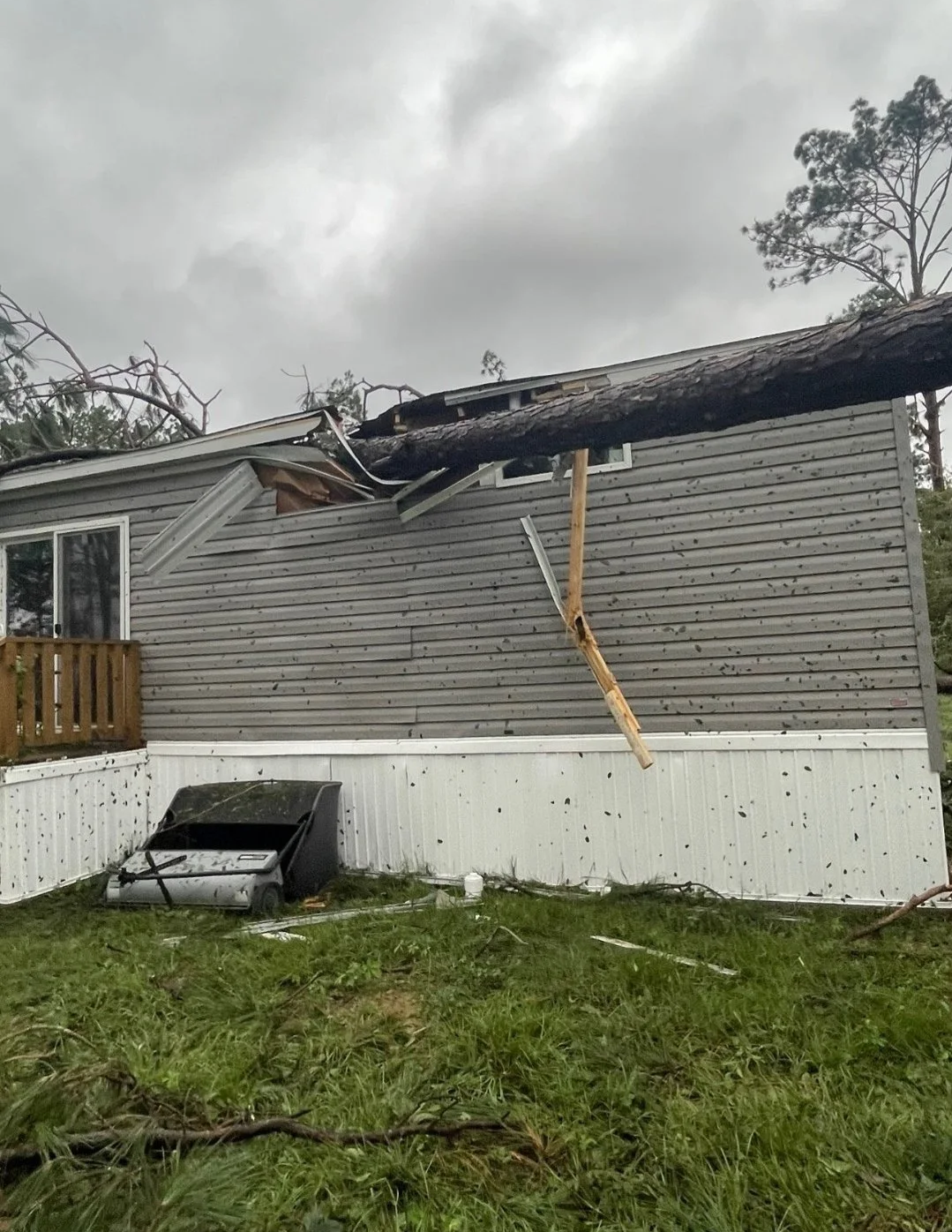
What Property Owners Should Do After a Wind Event
After a significant wind event, taking the right steps early can help minimize damage and reduce repair costs.
Recommended actions include:
Inspect your property safely from the ground
Look for missing or shifted materials
Check for interior signs of leaks or drafts
Document any visible damage
Schedule a professional wind damage inspection
Early documentation is especially important if insurance involvement becomes necessary.
Preventing Future Wind Damage
While wind events can’t be prevented, proactive maintenance can significantly reduce risk.
Effective prevention strategies include:
Regular roof inspections
Secure flashing and roof penetrations
Properly maintained gutters and drainage
Impact-resistant roofing materials where appropriate
For properties in wind-prone areas, proactive inspections often cost far less than emergency repairs.
Wind Damage Inspections Across Colorado & Wyoming
At Pride Roofing & Construction, we provide professional wind damage inspections for residential and commercial properties across Northern Colorado and Southeast Wyoming.
Our inspections focus on:
Wind-vulnerable roofing areas
Exterior components exposed to sustained winds
Early signs of damage that could worsen in winter
If you’re unsure how your property handled recent wind events, an inspection can provide clarity and peace of mind.
👉 Schedule a Wind Damage Inspection
📞 Colorado: (720) 552-3321
📞 Cheyenne: (307) 277-4441